

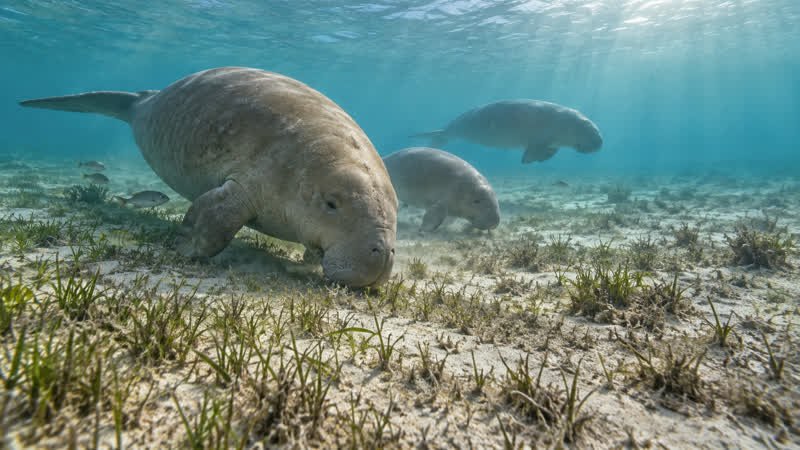
Aerial surveys indicate the dugong population in the Gulf of Carpentaria has fallen by about half over less than two decades, prompting calls for further research and conservation action.
Researchers from James Cook University and Charles Darwin University, working with Indigenous ranger groups, estimated that dugong numbers declined from about 10,000 in 2007 to about 5,000 in 2025. The reduction was concentrated in Queensland waters, while the Northern Territory population appeared comparatively stable.
Scientists identified several possible pressures that require further investigation, including damage to seagrass meadows from floods and storms, entanglement in gillnets, boat strikes and marine debris. The available findings do not establish a single cause for the decline.
Indigenous leaders, fishing representatives and researchers have called for stronger monitoring and more government-funded study of seagrass and other habitat changes. Views differ over the contribution of fishing and hunting, reinforcing the need for evidence-led management.
Illustration disclosure: The featured image is an AI-generated editorial illustration of dugongs in a seagrass habitat. It is not survey footage or a photograph from the Gulf of Carpentaria study.