
Australia's Chief Medical Officer has alerted travellers to reports of counterfeit rabies vaccines and rabies immunoglobulin in the Philippines and India. The Department of Health, Disability and Ageing published the advice on 19 November 2026.
The department says the chance that an Australian traveller who received these products overseas is affected is low. Even so, a counterfeit product may not provide adequate protection after a possible rabies exposure. The advice specifically asks people who received a rabies vaccine in India on or after 1 November 2023 to seek healthcare advice about whether replacement doses are needed.
Travellers concerned that a vaccine or immunoglobulin they received overseas may not have been genuine should contact a GP or other healthcare provider. A clinician can review treatment records and advise on any next steps. People already receiving post-exposure treatment should not delay or stop it without medical advice.
For any animal bite or scratch during travel, the Australian Centre for Disease Control advises washing the wound immediately and seeking urgent medical attention, even if previously vaccinated. Travellers should keep records of the product name, date and batch number of any rabies treatment received overseas.
Read the Chief Medical Officer's statement and ATAGI guidance for detailed advice.
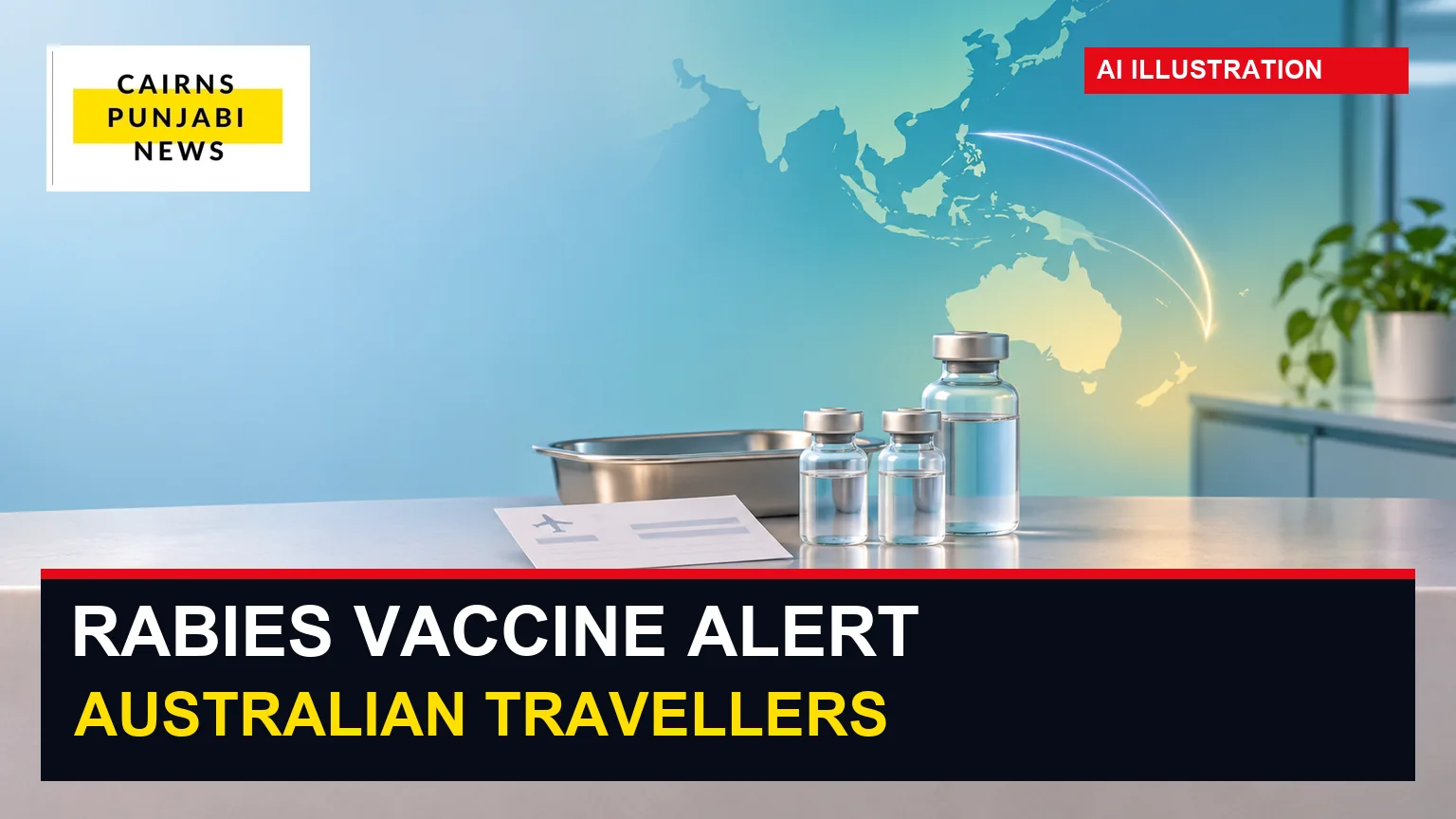
Image: AI-generated editorial illustration of generic unbranded vaccine vials and travel imagery. It does not show a counterfeit product, an actual clinic or evidence from a reported case.